

Skip to content
Free shipping on orders over $2,000.
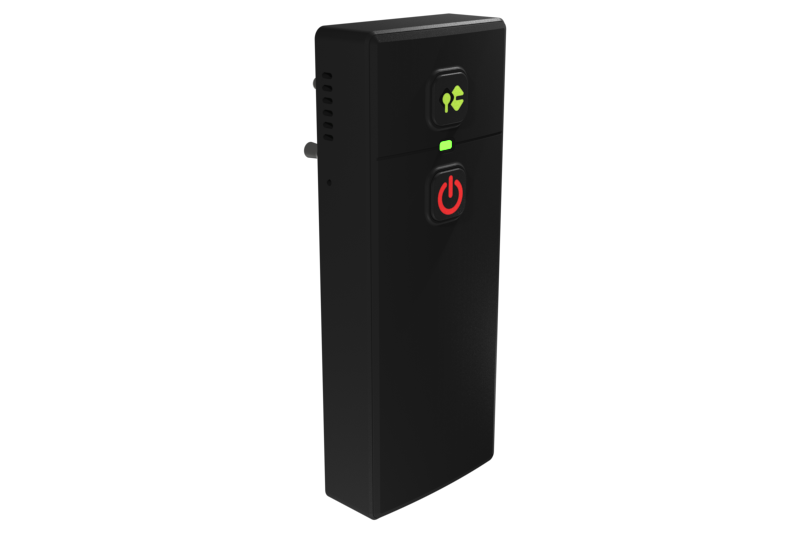
QuickComm Bridge Node front view with power and action buttons

Any device, any jack

Radios, radio headsets, intercoms, PA, consoles and handsets.

Feed your models

Any conversation on that line streams to your backend as it happens.

Two-way audio

Mic and speaker both. It listens to the line and talks back on it.

Display + USB-C

On-device display for battery, link and channel. Rechargeable belt-clip unit.

Your AI

Configurable endpoint, device behaviour tuned per use case from the console. Built to embed in the voice AI project you already have.

Dev kitPlugs into anythingTwo-way audio

QuickComm Bridge Node

Puts anything with an audio jack onto your voice AI, starting with your radios

QuickComm Bridge Node v3 · SKU QC-BN-V3

$125per unit

Line total

$125

Buy now
Ships in 10 days. Free shipping on orders over $2,000.
Built to order: every unit is assembled for your order
12-month warranty · 7-day returns

Volume pricing

  • 1-4 units$125 /unit
  • 5-9 units$118.75 /unit
  • 10-24 units$112.50 /unit
  • 25-49 units$106.25 /unit
  • 50+ units$100 /unit

A development kit for engineers, developers and builders. Ships pre-flashed and streams to the endpoint you configure from the console: point it at your own backend, run your own stack, and it slots into the voice AI project you already have, with no per-channel fees and no lock-in.

In use

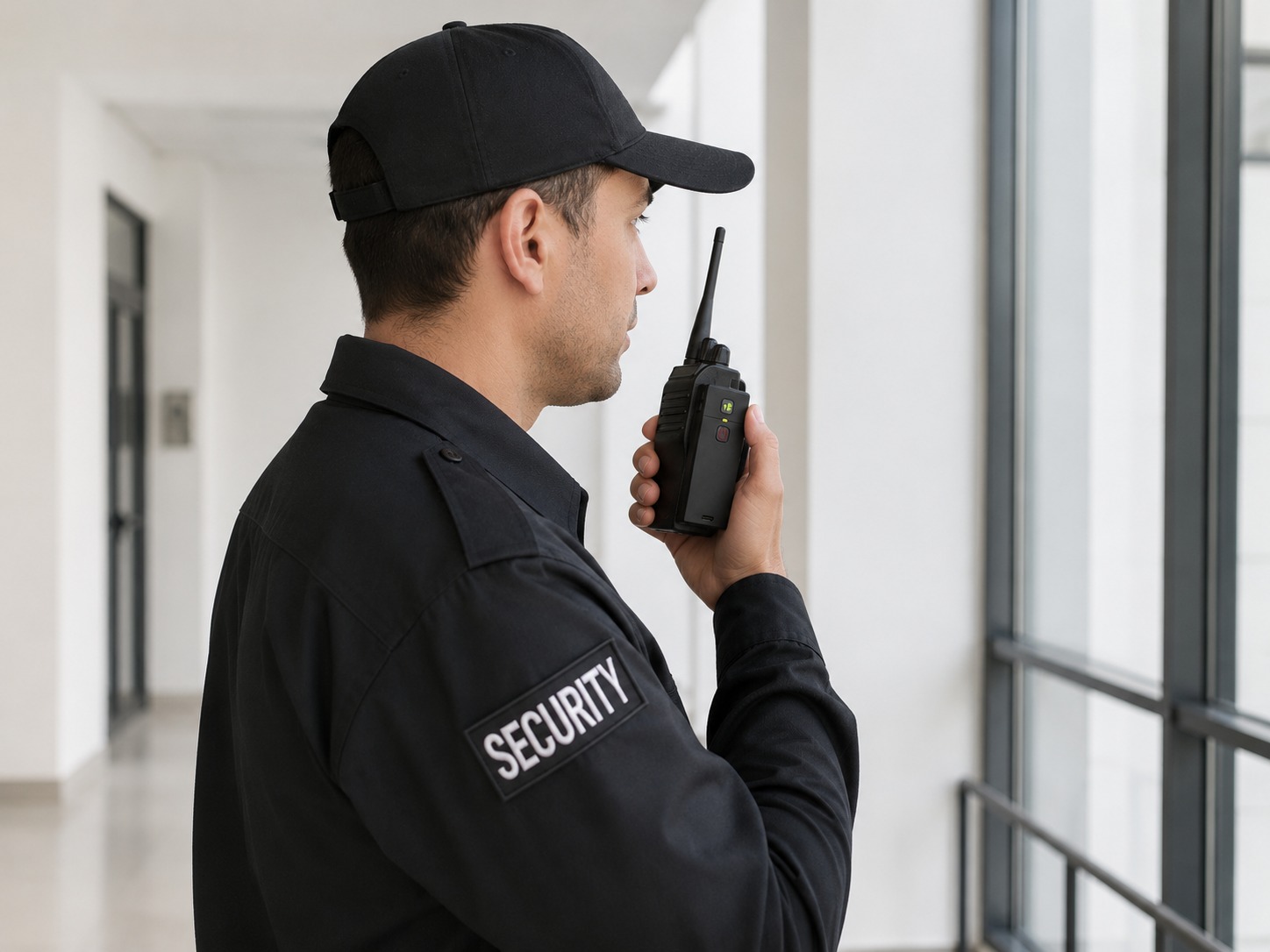
A security officer speaking into a handheld two-way radio
The radios a site already owns, already trained on. The Bridge Node clips onto the audio port and streams that channel to your voice AI. Nobody changes how they work.

How it works

The same path on all three devices. Only where the microphone sits changes.

  1. 01

    Someone speaks

    Press to talk. Nothing is captured until then.

  2. 02

    Audio streams out

    16 kHz mono over Wi-Fi. Silence never streams.

  3. 03

    Your models hear it

    Clean, framed utterances arrive at your endpoint.

  4. 04

    Your AI reads it

    Your agent, your rules, on your infrastructure.

  5. 05

    Your project responds

    Answers spoken back, records kept, in real time.

Steps 1 and 2 happen on the deviceSteps 3 to 5 run in your project

About this item

  • PLUGS INTO ANY AUDIO JACK: not just walkie-talkies. Radios, radio headsets, handsets, intercoms, PA systems, desk phones, control-room consoles: if it has an audio port, the Bridge Node can sit on it.

  • TWO-WAY BY DESIGN: microphone and speaker both, so it listens to the line and talks back on it. Audio flows in both directions rather than being tapped one way.

  • ANY CONVERSATION, STRAIGHT TO YOUR STACK: whatever comes over that jack streams to the endpoint you configure, as clean push-to-talk-framed audio your models can work with.

  • WHATEVER YOU NEED IT TO BE: the audio lands on your backend as structured data. Transcription, translation, summarisation, alerting: anything you have built, fed by a jack.

  • NO RIP-AND-REPLACE: nothing gets replaced and nobody learns a new handset. The equipment your team already uses stays exactly as it is.

  • EVERYTHING THE OTHER TWO DO: same radio, codec, provisioning and console as the Earpiece and Table Top, so a mixed fleet behaves as one.

  • AN ON-DEVICE DISPLAY: battery, link and channel state are readable on the unit itself, so nobody opens a dashboard to find out whether it is working.

  • BELT-CLIP BODY: rechargeable over USB-C with its own microphone and speaker, so it works inline without disabling the host device's own audio.

  • BUILD YOUR OWN VOICE AI ON IT: off-the-shelf hardware you can make your own. Point the audio at your own backend, run your own models, and tune how the device behaves from the console. It is built to embed in the project you already have.

  • THE FASTEST WAY TO PILOT: the lowest-friction path from analogue audio to your voice AI, one jack at a time.

Technical specifications

Audio interface

Connector3.5 mm + 2.5 mm two-pin audio plug
Works withAny device with a compatible audio port: two-way radios, radio headsets, handsets, intercoms, PA systems, desk phones, control-room consoles
DirectionTwo-way: microphone in and speaker out on the same connection
ModeInline, so the host device's own audio path stays live
Push-to-talkOn-device PTT button plus host-side keying

Power

BatteryIntegrated rechargeable LiPo
ChargingUSB-C
Power controlPhysical power button

Controls & indicators

ButtonsPower button and QuickComm action button
DisplayOn-device display showing battery, link and channel state
StatusIndication LED
Audio outIntegrated speaker
Audio inIntegrated microphone

Mounting

Form factorBelt-clip dongle
HousingMatte soft-touch polymer

Wireless & connectivity

Wi-Fi802.11 b/g/n, 2.4 GHz, integrated antenna
BluetoothBluetooth 5.2 (BLE)
Stream transportQuickComm udp-v1 push-to-talk wire protocol
Packet resilienceSelf-describing packets, per-boot session keys, loss tolerant
ProvisioningQR-code pairing with MAC-based device identity

Audio

MicrophoneDigital MEMS microphone
Audio codec24-bit ADC/DAC
Capture format16 kHz PCM, mono
GatingPush-to-talk framed. Silence is never streamed
Pre-roll bufferYes. The first syllable of a transmission is never clipped
Edge processingOn-device voice activity detection and wake handling

Memory & firmware

Flash memory8 MB
Firmware updatesOver-the-air, staged rollouts from the fleet console
Remote managementRemote commands, health telemetry, offline detection

Customisation

BackendYours: the stream endpoint is configurable from the console
FirmwareShips pre-flashed; device behaviour is configured per use case from the console
Voice AI stackBring your own STT, LLM, wake word and TTS
On-device logic8 MB flash with on-device voice activity detection built in
Hardware platformStandard, well-documented parts, with no proprietary ASIC to design around

Warranty & compliance

Warranty12 months limited hardware warranty
Designed & engineeredDubai, UAE (in5 Tech, Dubai Design District)
ManufacturerQuickgen Technologies
IP statusPatent pending

Custom hardware for any voice AI application

Buy the Bridge Node off the shelf. Then make it yours.

Point the Bridge Node at your own backend and tune it for your use case from the console.

  1. 01

    Buy it off the shelf

    Every unit ships pre-flashed with QuickComm firmware, ready out of the box. Nothing is ever reflashed in the field.

  2. 02

    Configure it in the console

    Pick how the device behaves for your use case, then set the stream endpoint to your own infrastructure.

  3. 03

    Build on your backend

    The audio goes where you send it. Bring your own speech-to-text, models, wake word and text-to-speech.

  • On-device intelligence. 8 MB of flash and voice activity detection keep capture clean before a byte leaves the device.

  • Always current. Staged over-the-air updates, with fleet health telemetry behind them.

  • No provider lock-in. Nothing about the hardware ties you to a particular AI provider.

Questions about this device

Answered by the QuickComm engineering team.

Something not covered here? Ask us directly. We answer hardware questions before you buy, not after.

The other two QuickComm devices

Compare all three
Dev kit
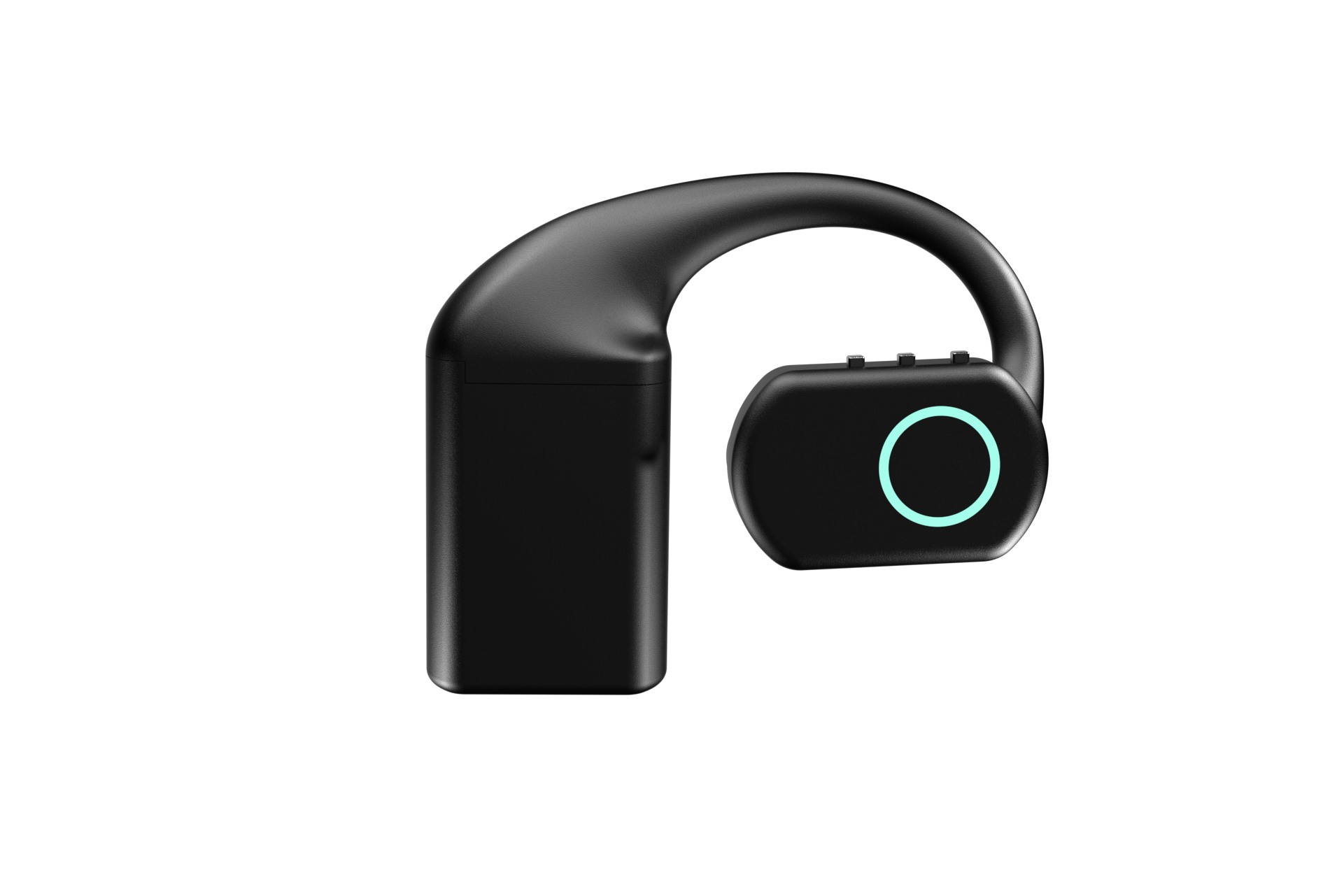
The QuickComm Earpiece beside a detachable battery pack, showing how the pack slides onto the body of the device

$220

per unit

A wearable voice AI terminal for the assistant, agent or comms project you are building. Press to talk, so it listens when you ask it to and not before.

Best for: Team communication, meeting capture and personal assistant projects
Details
Dev kit
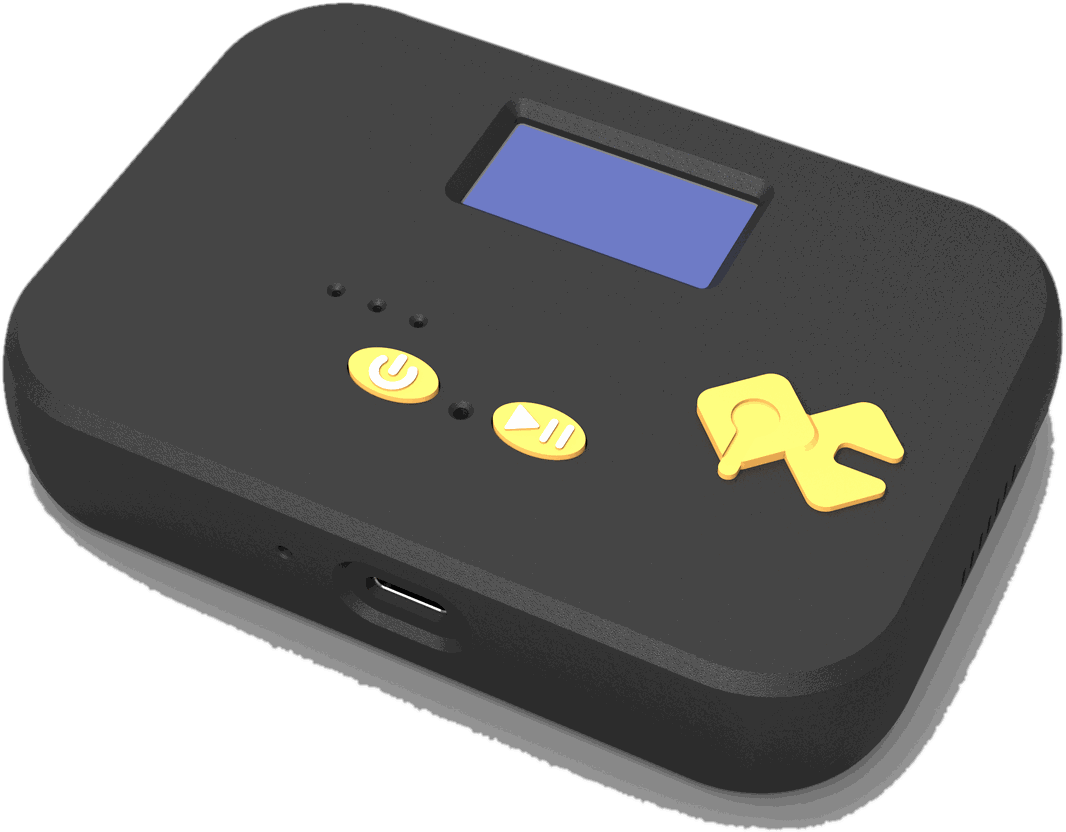
Studio render of the QuickComm Table Top, three-quarter view: recessed status display, two buttons with status LEDs, embossed logo, and the USB-C port on the front edge

$90

per unit

Rechargeable desk or wall unit for room capture and note taking, with an on-device status display and a 1000 mAh battery so it keeps working away from a socket.

Best for: Control rooms, front desks, briefings and note taking

Details