








Skip to content
Free shipping on orders over $2,000.

Now shipping: v3 production run

Buy off the shelf.
Build your own voice AI on it.

Three production-ready voice devices, shipping today. Configure them from the console, point them at your own backend, and they slot straight into the voice AI agents and projects you are already building. No per-channel fees and no platform lock-in.

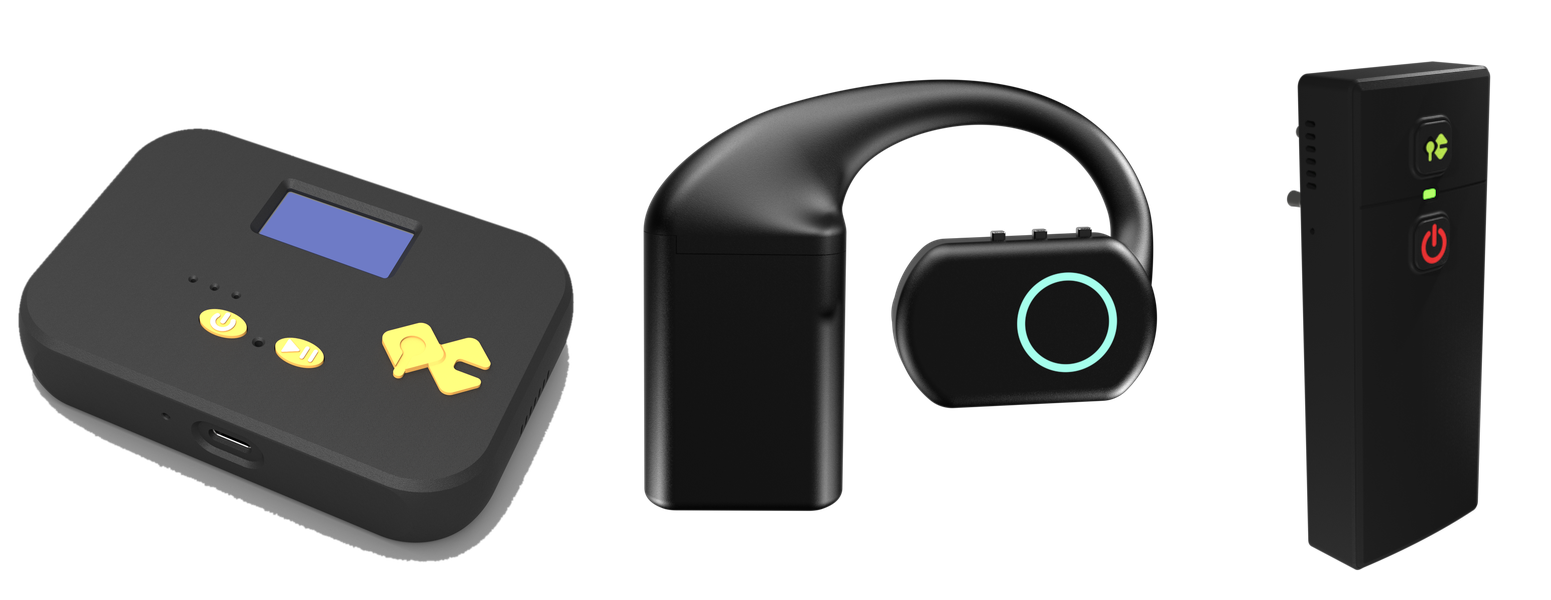
Render of the three QuickComm devices side by side: the Table Top, the over-ear Earpiece and the belt-clip Bridge Node

Three devices, one family

Same silicon and the same streaming pipeline, in the form factor each job needs.

Shop all
  • Talk hands-free, all shift

    Press to talk and speak. No phone out, no app to open, no screen to look at.

  • Capture your AI can trust

    Push-to-talk framing and a pre-roll buffer: silence is never streamed and the first syllable is never clipped.

  • Managed as a fleet

    QR provisioning, health telemetry, remote commands and over-the-air updates, all from one console.

  • Embed it in your project

    Point the stream endpoint at your backend and run your own models. The device slots into the voice AI you are already building.

From
$200
Lead time
10 days
Audio
16 kHz PCM
Backend
Yours

12-month warranty

On every unit

Patent pending

Hardware + protocol

Works with what you own

No rip-and-replace

Volume pricing

Up to 20% off

Pick your form factor

Same silicon, same streaming pipeline, same console. The only question is where it sits: on an ear, on a desk, or inline with the audio gear you already own.

Full comparison
Dev kit
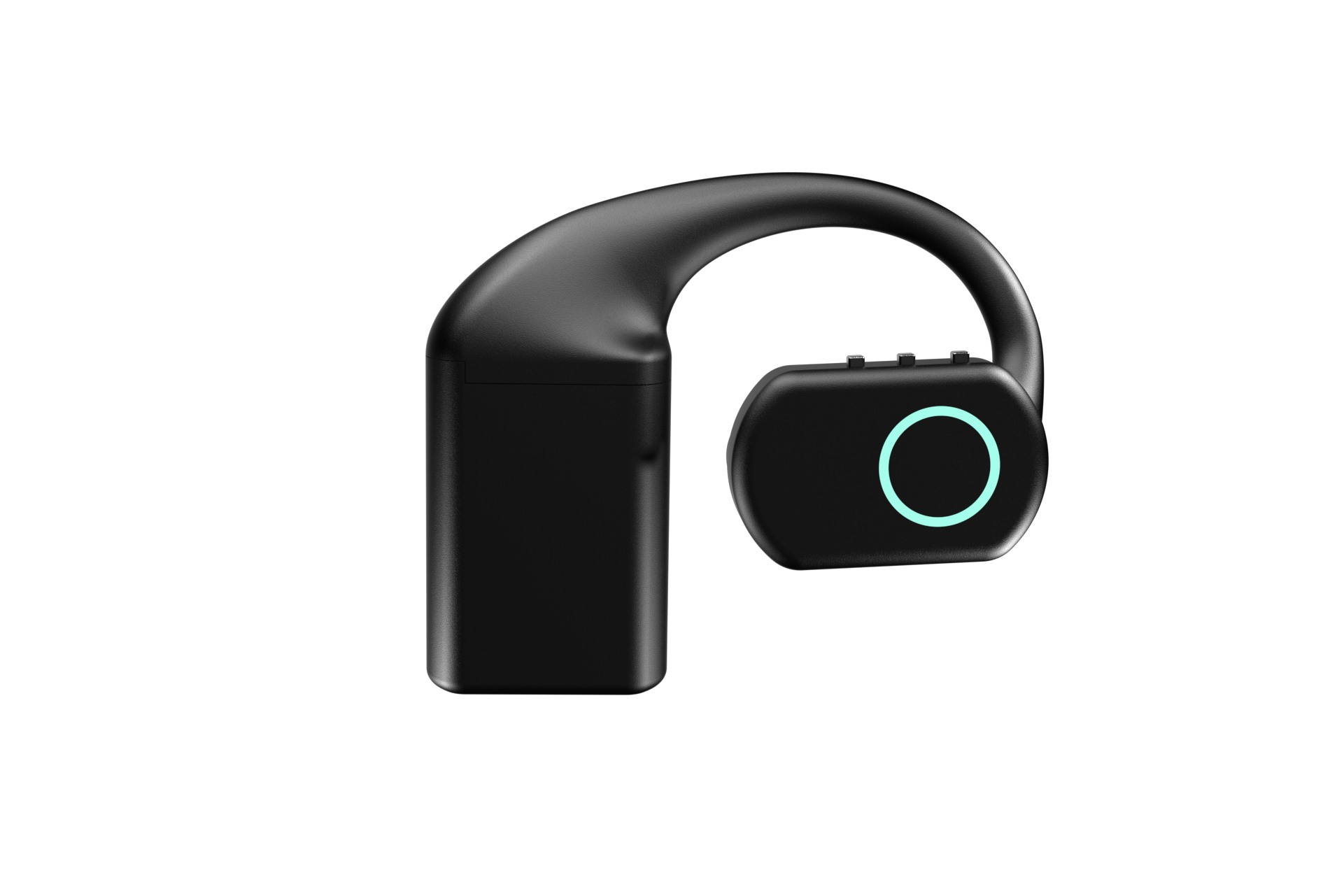
The QuickComm Earpiece beside a detachable battery pack, showing how the pack slides onto the body of the device

$350

per unit

A wearable voice AI terminal for the assistant, agent or comms project you are building. Press to talk, so it listens when you ask it to and not before.

Best for: Team communication, meeting capture and personal assistant projects

Details
Dev kit
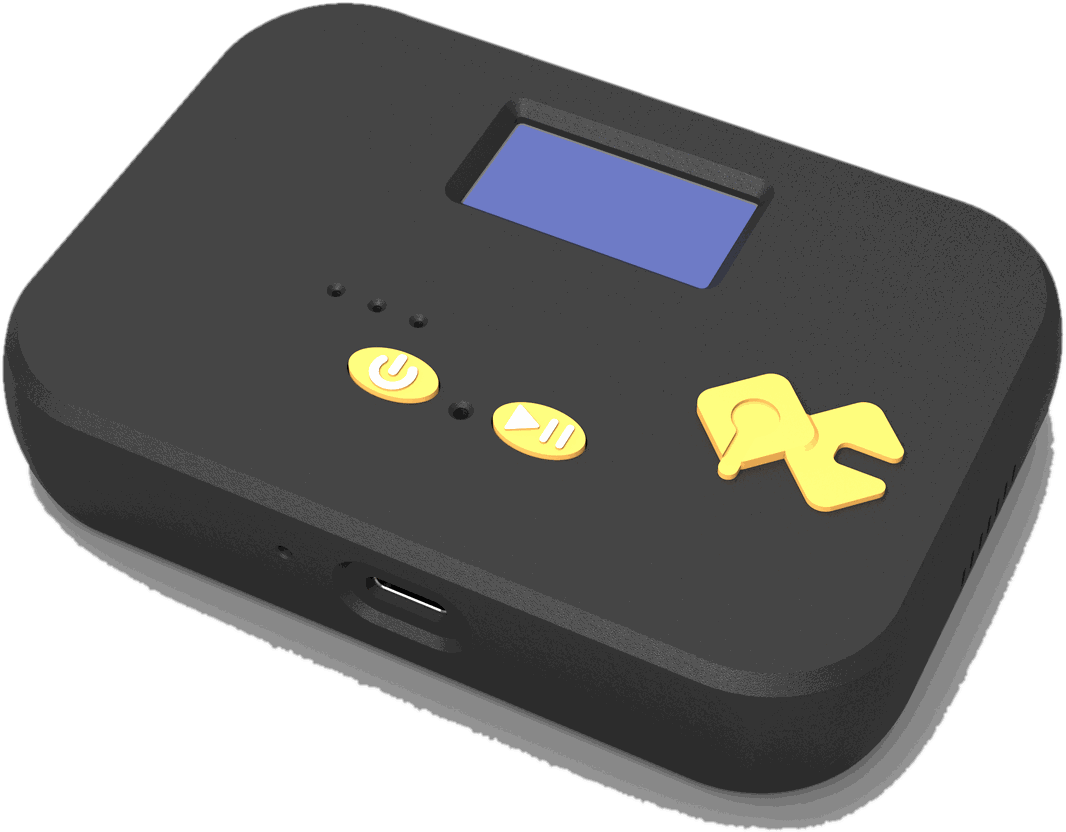
Studio render of the QuickComm Table Top, three-quarter view: recessed status display, two buttons with status LEDs, embossed logo, and the USB-C port on the front edge

$200

per unit

Rechargeable desk or wall unit for room capture and note taking, with an on-device status display and a 1000 mAh battery so it keeps working away from a socket.

Best for: Control rooms, front desks, briefings and note taking

Details
Dev kit
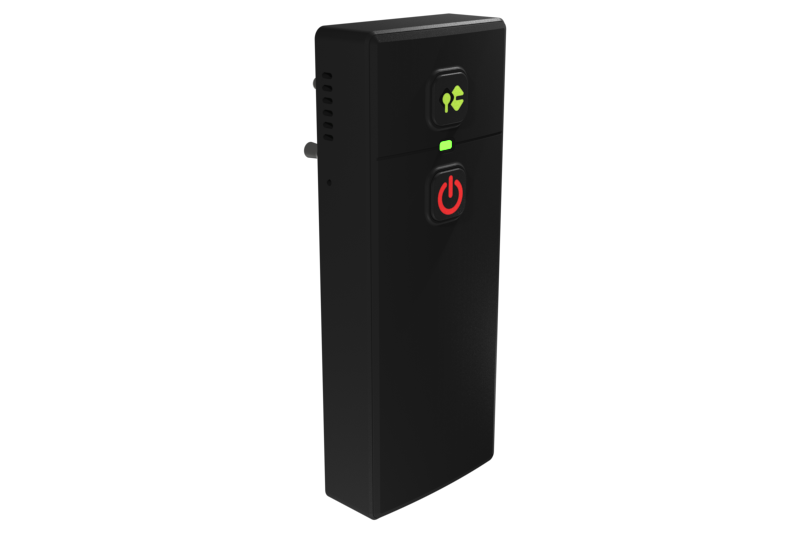
QuickComm Bridge Node front view with power and action buttons

$250

per unit

Plugs into the audio jack of any device: radio, handset, intercom, PA or console. Two-way mic and speaker, streaming straight to your backend to feed whatever you run there.

Best for: Any audio source you want feeding your voice AI

Details

Volume pricing, applied automatically at checkout

Discount is per product line, not per order

1-4 units

List

5-9 units

−5%

10-24 units

−10%

25-49 units

−15%

50+ units

−20%

Custom hardware for any voice AI application

Off the shelf. Then make it yours.

These are production-ready devices you can buy today and make your own. Configure them from the console, point them at your backend, and build your voice AI application on top of hardware that already works.

Your backend

The stream endpoint is configurable. Point the device at your own infrastructure instead of ours and the audio goes where you send it.

Your voice AI stack

Bring your own speech-to-text, models, wake word and text-to-speech. Nothing about the hardware locks you to a particular provider.

Your configuration

Every unit ships pre-flashed with QuickComm firmware. How it behaves for your use case is configured from the console, so nothing is ever reflashed in the field.

On-device intelligence

8 MB of flash and on-device voice activity detection keep capture clean before a single byte leaves the device.

Always current

Firmware updates ship through a staged over-the-air pipeline, with fleet health telemetry behind them.

What your AI receives

Your AI can already think. These devices give it ears, a voice, and a place in the room.

  1. 01

    Someone speaks

    On an ear, on a desk, or on a radio line: someone presses to talk. Nothing is captured until they do, and the buffer keeps the first syllable from being clipped.

  2. 02

    Audio streams out

    16 kHz mono, framed by the push-to-talk press, over Wi-Fi. Silence is never transmitted, so airtime and running costs stay low.

  3. 03

    Your models hear it

    The audio arrives at your endpoint as clean, framed utterances, ready for whatever speech-to-text you run.

  4. 04

    Your AI reads it

    Your agent, your rules. Classify it, answer it, act on it: this part is your code, running on your infrastructure.

  5. 05

    Your project responds

    A task raised, an answer spoken back, a record kept: whatever you built it to do, fed by the device in real time.

Steps 1-2: the device

Ships pre-flashed, provisioned with the QR card, configured for your use case from the console.

Steps 3-5: your project

The stream endpoint is configurable. Take the audio at step 2 and run your own speech, models and logic on it.

The path a single spoken sentence takes, from the button press into your voice AI.

Built for builders

Your voice AI already works. Now give it hardware.

Designing voice hardware takes a year and a factory. These are finished devices you point at the stack you already run: configure the device from the console, set the stream endpoint to your backend, and your project hears the real world.

How to build on it

Teams put the devices to work as

Security operations. Guard forces, patrol routes, incident response and CCTV desks.

Hotels. Front desk, housekeeping and duty managers on one channel.

Facilities. Maintenance crews, equipment faults and contractor coordination.

Malls & retail. Large-footprint sites where a radio call is the only record.

Start with one site. Scale when it earns it.

Most customers pilot with a handful of Bridge Nodes on the radios they already have, then add Earpieces where hands-free matters. Volume pricing kicks in from five units.